
Transform Your Home with Smart Home Automation Tips
- Allen Daniels
- Mar 30
- 5 min read
Smart home automation has become a practical way to improve comfort, security, and energy efficiency in modern homes. I have seen how integrating technology into everyday living spaces can make a significant difference. This post shares clear, actionable advice on how to design and implement smart automation systems that fit your lifestyle and home environment.
Understanding Smart Home Automation Tips for Effective Design
Smart home automation involves connecting devices and systems to work together seamlessly. This can include lighting, heating, security cameras, audio systems, and more. The goal is to create a home that responds to your needs automatically or with minimal effort.
When planning your smart home, start by identifying your priorities. Do you want to focus on security, convenience, energy savings, or entertainment? Knowing this helps you choose the right devices and design a system that works well together.
Some practical tips include:
Start small: Begin with a few key devices like smart lights or a thermostat. This allows you to learn how automation works without overwhelming complexity.
Choose compatible devices: Ensure your devices can communicate with each other, preferably using a common platform or protocol.
Plan for expansion: Design your system so you can add more devices over time without major changes.
Focus on user-friendly controls: Use apps or voice assistants that are easy to operate for everyone in the household.
By following these tips, you can build a smart home that feels natural and enhances your daily routine.

Key Components of a Smart Home Automation System
A well-designed smart home includes several core components working together. Here are the main elements to consider:
Central Hub or Controller
This device acts as the brain of your system. It connects and manages all smart devices, allowing you to control them from one place. Some hubs support voice commands, while others use smartphone apps.
Smart Lighting
Automated lighting can adjust based on time of day, occupancy, or mood settings. You can schedule lights to turn on before you arrive home or dim them for movie nights.
Climate Control
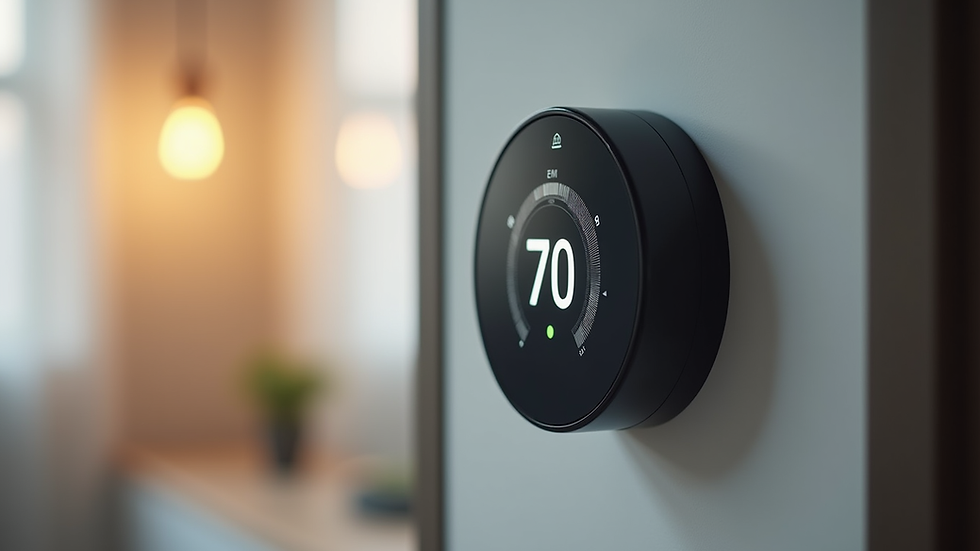
Smart thermostats learn your schedule and adjust heating or cooling to save energy. They can also be controlled remotely, so your home is comfortable when you arrive.
Security Systems
Cameras, door locks, and sensors provide real-time monitoring and alerts. You can check your home remotely and control access for family or guests.
Audio and Video Integration
Smart speakers and entertainment systems can be linked to your automation setup. This allows you to play music or control your TV with voice commands or automated routines.
Sensors and Automation Rules
Motion sensors, door/window sensors, and environmental sensors trigger actions automatically. For example, lights can turn on when you enter a room, or the system can alert you to unusual activity.
Each component adds value, but the best results come from integrating them into a cohesive system. This is where professional home automation system design can make a difference, ensuring everything works smoothly and meets your needs.
How much does a full home automation system cost?
The cost of a full home automation system varies widely depending on the size of your home, the number of devices, and the complexity of the setup. Here are some general guidelines:
Basic systems: Starting around $1,000 to $3,000, these include essential devices like smart lights, a thermostat, and a security camera.
Mid-range systems: Between $3,000 and $10,000, these setups add more devices, better integration, and professional installation.
High-end systems: Over $10,000, these include custom designs, whole-home audio/video integration, advanced security, and full automation.
Installation costs can also vary. DIY options reduce expenses but may lack the polish and reliability of professional setups. Hiring experts ensures proper configuration, system testing, and ongoing support.
When budgeting, consider the long-term benefits such as energy savings, increased home value, and improved convenience. Investing in quality components and design pays off over time.
Practical Steps to Implement Smart Automation in Your Home
Implementing smart automation requires careful planning and execution. Here are practical steps to guide you through the process:
Assess Your Home’s Infrastructure
Check your Wi-Fi coverage, electrical wiring, and existing devices. Reliable internet and power are essential for smooth operation.
Define Your Automation Goals
Write down what you want to achieve. Examples include reducing energy bills, enhancing security, or improving entertainment options.
Select Compatible Devices
Research devices that fit your goals and work well together. Look for products that support popular platforms like Google Home, Amazon Alexa, or Apple HomeKit.
Create a Network Plan
Decide where to place hubs, sensors, and cameras for optimal coverage. Avoid dead zones and ensure devices have strong connections.
Install and Configure Devices
Follow manufacturer instructions or hire professionals for installation. Configure automation rules and test each device thoroughly.
Train Household Members
Make sure everyone knows how to use the system. Provide simple instructions and set up user profiles if available.
Maintain and Update
Regularly check for software updates and device health. This keeps your system secure and functioning well.
By following these steps, you can build a smart home that fits your lifestyle and grows with your needs.
Enhancing Home Entertainment with Smart Automation
One of the most exciting benefits of smart home automation is the ability to create immersive entertainment experiences. Integrating audio and video systems with automation adds convenience and quality to your home.
Consider these ideas:
Multi-room audio: Play music throughout your home or select specific rooms. Control volume and playlists from your phone or voice commands.
Automated lighting scenes: Set lighting to match movie watching, gaming, or parties. Lights can dim or change color automatically.
Voice control for media: Use voice assistants to play movies, change channels, or adjust sound without needing remotes.
Smart TV integration: Connect your TV to other smart devices for seamless control and automation.
Scheduled routines: Program your system to turn on entertainment devices at certain times or when you arrive home.
These features create a more enjoyable and effortless entertainment environment. Working with experts ensures your audio/video setup integrates smoothly with your automation system.
Planning for the Future of Your Smart Home
Smart home technology evolves quickly. Planning for future upgrades and expansions is essential to keep your system current and useful.
Here are some tips:
Choose scalable platforms: Select systems that support new devices and updates.
Keep wiring accessible: If possible, install wiring that allows easy addition of new components.
Stay informed: Follow industry trends and new product releases.
Work with professionals: Regular consultations with experts help you adapt your system as technology advances.
By thinking ahead, you protect your investment and enjoy the benefits of smart home automation for years to come.
Smart home automation transforms your living space into a more comfortable, secure, and efficient environment. With clear planning, the right devices, and professional design, you can create a system tailored to your needs. Whether you want to enhance security, save energy, or enjoy premium entertainment, smart automation offers practical solutions that improve everyday life.


Comments